
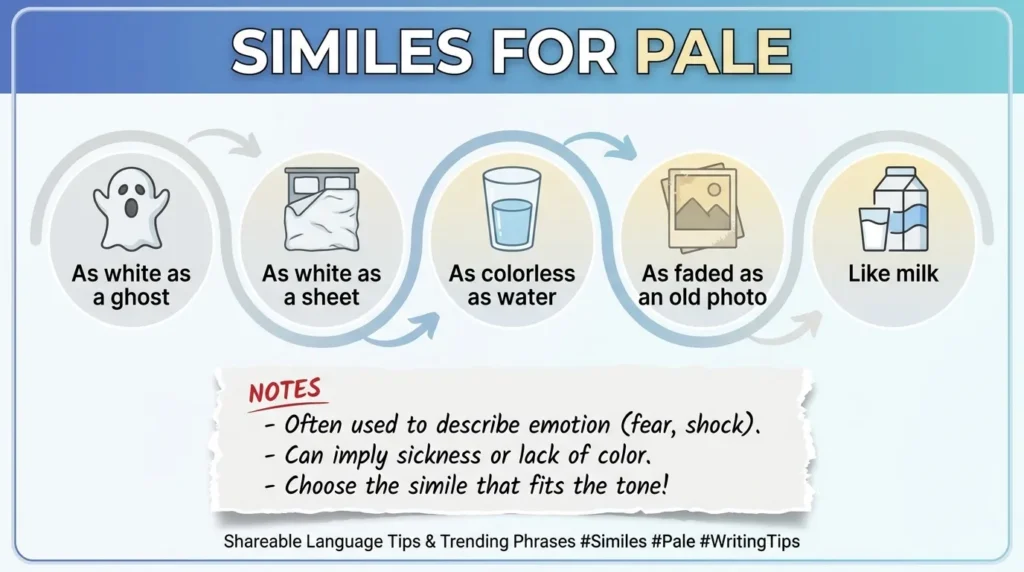
Have you ever seen someone look so pale that they seemed to have lost all their color? Maybe their face looked as white as snow, or their skin appeared like a sheet of paper. A simple word such as pale can tell us something, but a good simile can help readers actually picture it.
A simile compares one thing with another by using words such as “like” or “as.” In simple terms, similes turn plain descriptions into vivid pictures.
For example, instead of saying, “Her face was pale,” you might say, “Her face was as pale as moonlight.” Suddenly, the reader can imagine the soft, ghostly color.
Creative writing similes are useful in stories, poems, essays, and everyday descriptions. They can show fear, sickness, surprise, coldness, tiredness, or even beauty. So, let’s explore 50 similes for pale, along with their meanings, explanations, and example sentences.
50 Similes for Pale
Below, you’ll find useful examples of similes that can help you make your writing more colorful and memorable.
1. As pale as snow
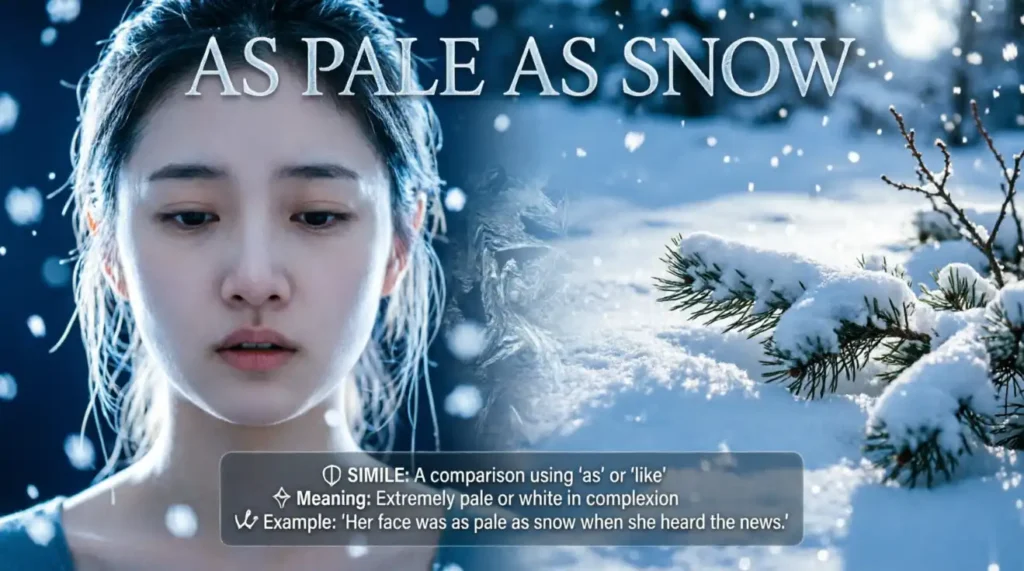
Meaning: Extremely white or lacking color.
Explanation: This simile compares a pale face or object to fresh snow, which is usually bright white.
Example: Her face was as pale as snow after hearing the frightening news.
The old man looked as pale as snow beneath the cold winter light.
2. As pale as a ghost
Meaning: Very pale, often because of fear or shock.
Explanation: Ghosts are often imagined as white or colorless, making this a strong way to describe sudden fear.
Example: Jake turned as pale as a ghost when he saw the broken window.
She looked as pale as a ghost after the scary phone call.
3. As pale as moonlight
Meaning: Softly pale and almost colorless.
Explanation: Moonlight has a gentle, silvery appearance, so it creates a calm and slightly mysterious image.
Example: Her face was as pale as moonlight in the dark room.
His skin looked as pale as moonlight under the stars.
4. As pale as a sheet of paper
Meaning: Very white or drained of color.
Explanation: White paper provides a simple image of something without much color.
Example: His face became as pale as a sheet of paper.
She looked as pale as a sheet of paper after the accident.
5. As pale as milk
Meaning: Very light or creamy white.
Explanation: This comparison works well for skin, fabric, or other objects with a soft white appearance.
Example: Her hands were as pale as milk.
The morning fog looked as pale as milk across the valley.
6. As pale as ash
Meaning: Extremely pale and grayish.
Explanation: Ash has a dull, faded color, so this simile can suggest fear, illness, or exhaustion.
Example: His face turned as pale as ash.
After the shocking announcement, she looked as pale as ash.
7. As pale as candlelight
Meaning: Softly pale and faint.
Explanation: Candlelight creates a weak, gentle glow rather than a strong color.
Example: Her face was as pale as candlelight.
The portrait showed a woman with skin as pale as candlelight.
8. As pale as porcelain
Meaning: Very smooth, light, and almost white.
Explanation: Porcelain is often white and smooth, making it useful for describing delicate-looking skin.
Example: Her cheeks were as pale as porcelain.
The doll had a face as pale as porcelain.
9. As pale as chalk
Meaning: Very white and drained of color.
Explanation: White chalk gives readers an instant picture of extreme paleness.
Example: His face became as pale as chalk.
She stood there with cheeks as pale as chalk.
10. As pale as frost
Meaning: Very light and cold-looking.
Explanation: Frost often appears white or silvery, giving this simile a chilly feeling.
Example: His skin looked as pale as frost.
Her face was as pale as frost in the early morning.
11. As pale as winter

Meaning: Colorless, cold, or dull.
Explanation: Winter landscapes can look faded and almost colorless, especially under gray skies.
Example: His face was as pale as winter.
The room felt cold, and her cheeks looked as pale as winter.
12. As pale as a pearl
Meaning: Softly white with a gentle glow.
Explanation: Pearls often have a light, smooth appearance, making this a more beautiful comparison.
Example: Her skin was as pale as a pearl.
The flower had petals as pale as a pearl.
13. As pale as a cloud
Meaning: Very light or nearly white.
Explanation: White clouds create a soft and airy image of paleness.
Example: His face looked as pale as a cloud.
The curtains were as pale as a cloud drifting across the sky.
14. As pale as mist
Meaning: Faint, light, and almost colorless.
Explanation: Mist has a thin, faded appearance that works well for mysterious descriptions.
Example: Her face looked as pale as mist.
A pale figure stood in the doorway, as pale as mist.
15. As pale as a lily
Meaning: Very light and delicate in color.
Explanation: White lilies provide a natural comparison for pale skin or delicate objects.
Example: Her hands were as pale as lilies.
The dancer’s face looked as pale as a lily.
16. As pale as a dove
Meaning: Softly white or light-colored.
Explanation: A white dove suggests gentleness, purity, and softness.
Example: His shirt was as pale as a dove.
Her dress looked as pale as a dove against the dark wall.
17. As pale as ivory
Meaning: Creamy white and light.
Explanation: Ivory has a warm, elegant color that can create a graceful description.
Example: Her skin was as pale as ivory.
The statue had a face as pale as ivory.
18. As pale as morning fog
Meaning: Faint, gray, and nearly colorless.
Explanation: Morning fog often creates a soft, washed-out scene.
Example: His face was as pale as morning fog.
The landscape looked as pale as morning fog.
19. As pale as a winter moon
Meaning: Very light, cold, and ghostly.
Explanation: A winter moon creates a strong image of cold, mysterious paleness.
Example: Her face was as pale as a winter moon.
The character’s eyes stood out against skin as pale as a winter moon.
20. As pale as a white rose
Meaning: Delicately pale and beautiful.
Explanation: A white rose gives the description a soft and graceful feeling.
Example: Her cheeks were as pale as a white rose.
The flower’s petals were as pale as a white rose.
21. As pale as a ghostly flame

Meaning: Faintly white and almost unreal.
Explanation: This comparison creates a mysterious or supernatural feeling.
Example: His face appeared as pale as a ghostly flame.
The figure looked as pale as a ghostly flame in the distance.
22. As pale as frozen water
Meaning: Very light, cold, and colorless.
Explanation: Frozen water can appear nearly white or clear, creating a chilly image.
Example: Her fingers were as pale as frozen water.
His face looked as pale as frozen water.
23. As pale as morning sunlight
Meaning: Light, soft, and gently colored.
Explanation: Early sunlight can have a weak, washed-out quality.
Example: Her face was as pale as morning sunlight.
The walls looked as pale as morning sunlight.
24. As pale as a faded photograph
Meaning: Dull, washed-out, and lacking strong color.
Explanation: Old photographs often lose their original color, making this a useful comparison for faded appearances.
Example: His face looked as pale as a faded photograph.
The old painting was as pale as a faded photograph.
25. As pale as old parchment
Meaning: Yellowish, faded, and lacking fresh color.
Explanation: Old parchment has a worn, light appearance that works well in historical or mysterious writing.
Example: Her face was as pale as old parchment.
The ancient pages looked as pale as old parchment.
26. As pale as a pearl in fog
Meaning: Softly white and barely visible.
Explanation: This image combines the whiteness of a pearl with the faded quality of fog.
Example: Her face appeared as pale as a pearl in fog.
The moon looked as pale as a pearl in fog.
27. As pale as a snowflake
Meaning: Very white, delicate, and light.
Explanation: A snowflake creates an image of clean, delicate paleness.
Example: Her fingers were as pale as snowflakes.
The petals looked as pale as snowflakes.
28. As pale as a white feather
Meaning: Softly white and delicate.
Explanation: A white feather suggests lightness and gentle color.
Example: Her dress was as pale as a white feather.
His face looked as pale as a white feather against his dark coat.
29. As pale as bleached linen
Meaning: Very light and washed-out.
Explanation: Bleached linen has a faded, clean appearance with little strong color.
Example: Her skin looked as pale as bleached linen.
The curtains were as pale as bleached linen.
30. As pale as a blank page
Meaning: Completely lacking color.
Explanation: A blank white page gives readers a clear picture of something extremely pale.
Example: His face went as pale as a blank page.
Her cheeks were as pale as a blank page.
31. As pale as cloudy skies

Meaning: Light, gray, and dull.
Explanation: Cloudy skies often lack bright colors and create a washed-out appearance.
Example: His eyes looked tired beneath skin as pale as cloudy skies.
The walls were as pale as cloudy skies.
32. As pale as silver
Meaning: Light, bright, and slightly gray.
Explanation: Silver has a cool, pale shine that can create an elegant image.
Example: Her face looked as pale as silver.
The lake appeared as pale as silver beneath the moon.
33. As pale as a winter flower
Meaning: Delicate, light, and slightly cold-looking.
Explanation: A winter flower combines beauty with the cool feeling of the season.
Example: Her cheeks were as pale as a winter flower.
The petals were as pale as a winter flower.
34. As pale as sea foam
Meaning: Very light and almost white.
Explanation: Sea foam creates an airy image that works well for soft, pale colors.
Example: Her scarf was as pale as sea foam.
The fabric looked as pale as sea foam beside the blue ocean.
35. As pale as a clouded moon
Meaning: Faint, grayish, and mysterious.
Explanation: A moon hidden behind clouds can appear weak and colorless.
Example: His face was as pale as a clouded moon.
Her reflection looked as pale as a clouded moon.
36. As pale as a faded flower
Meaning: Weak in color and slightly worn.
Explanation: A faded flower suggests something that has lost its original brightness.
Example: Her lips were as pale as a faded flower.
The old curtain looked as pale as a faded flower.
37. As pale as winter fog
Meaning: Extremely light, gray, and cold-looking.
Explanation: Winter fog creates a strong image of something faded and chilly.
Example: His face was as pale as winter fog.
The valley looked as pale as winter fog.
38. As pale as a moonlit cloud
Meaning: Softly white and glowing.
Explanation: Moonlight gives clouds a faint silver appearance.
Example: Her dress was as pale as a moonlit cloud.
The baby’s blanket looked as pale as a moonlit cloud.
39. As pale as powdered sugar
Meaning: Brightly white and light.
Explanation: Powdered sugar provides a familiar image of fine, white color.
Example: Her face looked as pale as powdered sugar.
The snowy ground was as pale as powdered sugar.
40. As pale as a white curtain
Meaning: Very light and almost completely white.
Explanation: A white curtain gives a simple, everyday image of paleness.
Example: His face became as pale as a white curtain.
The morning sky looked as pale as a white curtain.
41. As pale as a frozen rose
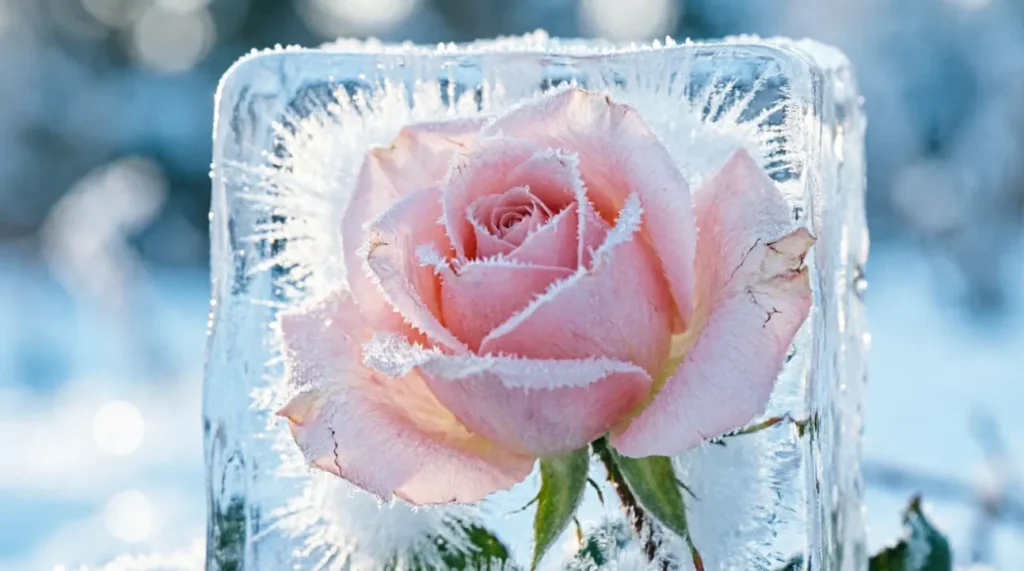
Meaning: Beautifully pale with a cold feeling.
Explanation: This creative comparison combines the beauty of a rose with the chill of freezing weather.
Example: Her cheeks were as pale as a frozen rose.
The mysterious woman looked as pale as a frozen rose.
42. As pale as a distant star
Meaning: Faint, light, and barely noticeable.
Explanation: A distant star can appear as a tiny, weak point of light.
Example: His face looked as pale as a distant star.
A pale glow appeared as faint as a distant star.
43. As pale as winter sunlight
Meaning: Faint, cool, and lightly colored.
Explanation: Winter sunlight often feels weaker and less golden than summer sunlight.
Example: Her face was as pale as winter sunlight.
The room was filled with light as pale as winter sunlight.
44. As pale as a faded moon
Meaning: Dull, weak, and nearly colorless.
Explanation: A faded moon creates a mysterious image of something losing its brightness.
Example: His skin looked as pale as a faded moon.
Her face appeared as pale as a faded moon.
45. As pale as frosted glass
Meaning: White, hazy, and lacking clear color.
Explanation: Frosted glass has a cloudy, pale appearance that makes this simile especially visual.
Example: Her face looked as pale as frosted glass.
The window appeared as pale as frosted glass in the morning.
46. As pale as a washed-out painting
Meaning: Dull and almost completely drained of color.
Explanation: A washed-out painting has lost much of its original brightness.
Example: His face was as pale as a washed-out painting.
The old room looked as pale as a washed-out painting.
47. As pale as a snow-covered field
Meaning: Extremely white and colorless.
Explanation: A field covered in fresh snow can look almost completely white.
Example: Her face was as pale as a snow-covered field.
The landscape stretched out as pale as a snow-covered field.
48. As pale as a ghostly moon
Meaning: Extremely pale, eerie, and mysterious.
Explanation: This simile works especially well in horror, fantasy, and suspense writing.
Example: His face was as pale as a ghostly moon.
The creature’s skin looked as pale as a ghostly moon.
49. As pale as cold marble
Meaning: Very white, smooth, and cold-looking.
Explanation: Marble is often light-colored and cool, giving the description a strong visual and physical feeling.
Example: Her hands were as pale as cold marble.
His face looked as pale as cold marble.
50. As pale as a silent winter sky
Meaning: Extremely light, dull, and calm.
Explanation: A quiet winter sky can look almost empty of color, creating a peaceful but slightly lonely image.
Example: Her face was as pale as a silent winter sky.
The background looked as pale as a silent winter sky.
Simile vs. Metaphor
Similes and metaphors both make writing more interesting, but they work in different ways.
A simile directly compares two things using “like” or “as.”
Simile: Her face was as pale as snow.
A metaphor makes the comparison directly without using “like” or “as.”
Metaphor: Her face was snow.
The first sentence clearly says that her face resembles snow. The second creates a stronger, more imaginative comparison.
In simple terms, remember this:
Simile = comparison using “like” or “as.”
Metaphor = direct comparison without “like” or “as.”
Both can make your creative writing more vivid. However, similes are often easier for beginners because the comparison is clear.
How to Use Similes for Pale in Writing
When you use a pale simile, first think about why something is pale.
Is the character frightened? Try “as pale as a ghost.”
Is the character sick or shocked? You could use “as pale as ash.”
Does the scene feel peaceful? Consider “as pale as moonlight.”
Are you describing beauty? A phrase such as “as pale as porcelain” may work better.
For example, instead of writing:
“Sarah looked pale.”
You might write:
“Sarah looked as pale as a sheet of paper when she heard the news.”
That small change gives the reader a clearer picture and adds emotion to the sentence.
FAQs
What is a better word for pale?
Better words for pale include wan, pallid, ashen, washed-out, or colorless, depending on the context.
What is a simile for light?
A common simile is “as light as a feather,” meaning something is extremely light in weight.
What are some synonyms for “pale color”?
Synonyms include light, pastel, muted, soft, washed-out, delicate, and faint.
What is another word for being pale?
Another word for being pale is pallor, especially when describing a person’s unusually light complexion.
What is the word for “very pale”?
Words for “very pale” include pallid, ghostly, ashen, wan, colorless, and deathly.
What is a synonym for pail?
A synonym for pail is bucket, a container typically used for carrying liquids or other materials.
What is a poetic word for light?
Poetic words for light include radiance, glow, gleam, luminosity, brilliance, and illumination.
What is a synonym for simile?
There is no exact synonym for simile, but terms such as comparison, analogy, or figure of speech can be related.
What is a metaphor for light?
A metaphor for light could be “Hope is a light in the darkness,” comparing hope to something that guides and comforts us.
Conclusion
Similes can turn a simple description into a picture that readers can see in their minds. Instead of simply saying someone is pale, you can compare their appearance to snow, ash, moonlight, porcelain, fog, or another familiar image.
These 50 similes for pale give you many ways to describe fear, shock, coldness, beauty, sickness, mystery, and more. The best choice depends on the feeling you want your reader to experience.
As you practice, try creating your own comparisons. Look around you and ask, “What does this pale color remind me of?” Then use like or as to build your simile.
With a little practice, your simile sentences can become more vivid, creative, and memorable.

I am Katherine Applegate inspires young readers through imaginative stories about animals, friendship, courage, and resilience. I explore creative similes, vocabulary, and student-friendly English resources at Publivexa.com.